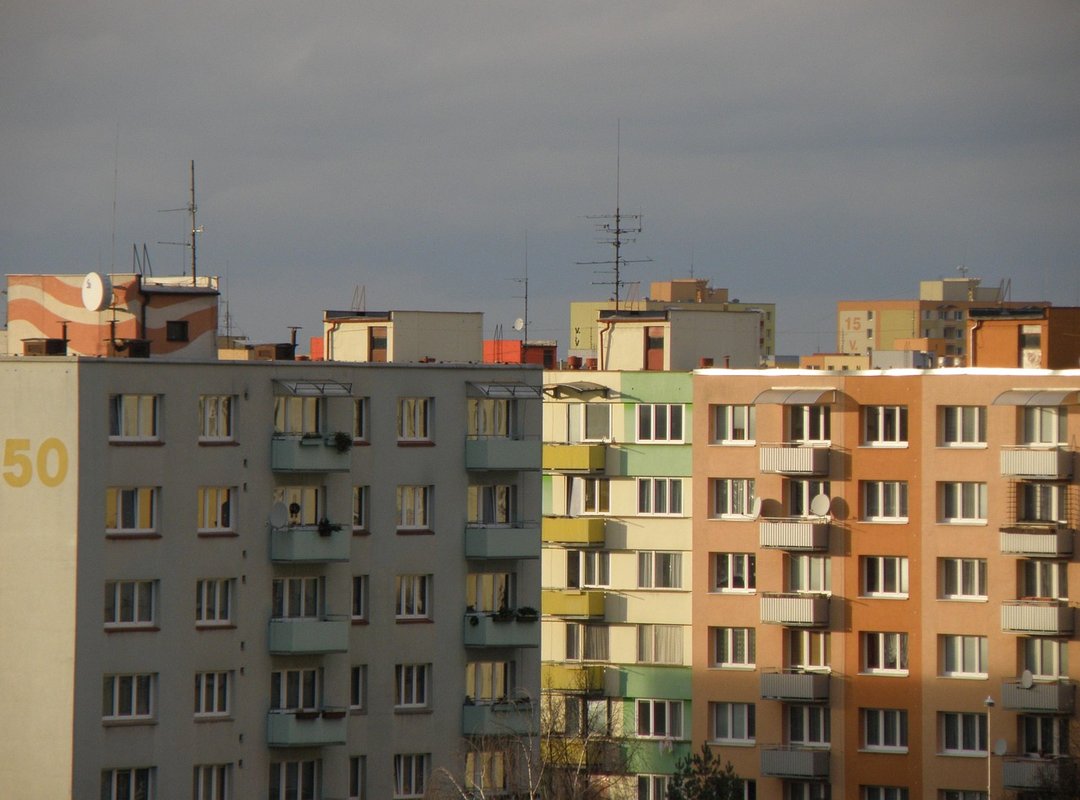
Urban development is reshaping our cities, and it’s affecting housing markets in ways many of us don’t realize. I’ve seen buyers struggle to find affordable homes as urban expansion drives prices up. You might be wondering why this is happening.
The urbanization housing impact is real and often leaves potential homeowners and investors feeling frustrated. It’s not just about new buildings; it’s about the community dynamics that shift when cities grow.
In this article, I’ll break down the challenges we face due to urban growth. I’ll share real estate takeaways drawn from market trends and my own experiences. You’ll get a clearer picture of how urban development influences housing supply and demand.
By the end, you’ll understand the space and feel more equipped to get through these changes. I promise you’ll walk away with knowledge that can make a difference in your housing decisions. So let’s dig in and see what’s really going on.
Urban Development: What You Need to Know
Urban development is all about how we build and organize our cities. I find it’s more than just putting up buildings; it’s about planning for a community’s future. Urbanization and how it impacts housing is key here. Ever notice how a city grows unevenly?
Now, who runs the show? Governments set the big picture with policies and regulations. They’re the ones who decide where new roads or parks go.
That’s urban development at work. It’s structured through detailed plans, often influenced by zoning laws and public opinion.
But the private sector isn’t sitting idle. Developers play a huge role, pushing projects that meet market demand (or at least their idea of it). They often bring innovation and cash, driving growth in ways public funds can’t always match.
Pro tip: Keep an eye on local government meetings. They’re a goldmine for understanding future city plans. You might find out about a new subway line before it’s on the news.
In urban development, the stakes are high because the balance of housing, infrastructure, and green spaces defines how livable a city can be.
Building Blocks: Urbanization’s Housing Impact
Urban development projects can shake up the housing market. When new buildings pop up, they don’t just fill the sky with cranes. They add a lot of new housing supply.
That’s the straightforward part. You build more homes, you house more people. But there’s more to it.
Does this simple math always balance out?
People aren’t static figures. They’re moving, migrating, seeking better lives in urban centers. This population growth boosts demand, making the housing market a chess game.
Developers need to read the board right. It’s a balancing act between residential and commercial spaces. And sometimes, it feels like a teeter-totter.
You add too much of one, you tip the scale.
Now, let’s talk specifics. Why should you care about these shifts? Because it’s your life, your commute, your rent.
When cities focus on commercial spaces over housing, that’s when prices start to climb. You might wonder how this all ties together. Well, a perfect example is the city balancing act visible in Emerging Realty Trends.
Do you see how developments can shape neighborhoods? Urbanization isn’t just about tall buildings. It’s where supply meets demand head-on.
The right mix can make or break a neighborhood’s vibe. Do they cater more to residential needs or lean towards the commercial side? That question drives the urbanization housing impact.
Next time a new project starts in your area, think about who’s really benefiting. It’s not just about more homes. It’s about the clever dance between development and demand.
Developers must pay attention to these dynamics, or risk turning lively communities into mere extension offices.
Economic Impacts: Pricing and Affordability
Urban development is a game changer for property values. Let’s face it, cities grow, and prices follow. This isn’t always great for everyone, though.
Those shiny new developments? They often hike up costs to dizzying heights. I’ve seen it firsthand.
New condos rise, and suddenly, the neighborhood’s affordability plummets.
Look at urbanization housing impact. Cities like San Francisco and New York are perfect examples. They’ve seen property values shoot through the roof, leaving many priced out of their own areas.
Why does this happen? Well, developers chase profits. Makes sense.
High demand areas become gold mines, and who wouldn’t want to cash in? But here’s the rub: it leaves a lot of folks struggling to keep up. Affordable housing becomes a mythical creature in these places.
And we all know this isn’t just about housing. It’s about community. When people are forced out, neighborhoods lose their heart.
They lose those local touches that make a place feel like home.
The challenges are clear. Balancing development with affordability is tricky. Yet, some cities are starting to get it.
They’re pushing for more sustainable growth strategies. Cities like Portland are trying to maintain diversity by promoting mixed-income housing. It’s a step in the right direction, but the road is long.
So, what can we do? Keep the pressure on policymakers. Demand solutions that don’t just cater to the upper echelon.
It’s about finding that sweet spot where urban growth doesn’t mean losing the soul of a place.
Urbanization and Its Ripple Effects
Urbanization has a deep impact on housing. I’ve seen it firsthand. How neighborhoods evolve and sometimes dissolve under the pressure of new development.
Have you ever watched communities get displaced? It’s unsettling. Urban growth often means folks have to move, and the cultural shifts that follow are hard to ignore.
These changes can be tough, not just on those moving but on the very fabric of the community left behind.
Then there are the environmental concerns. Sustainability should be at the forefront of any urban development. Green spaces are like the lungs of a city, yet they’re often the first to go when developers start drawing their plans.
I’ve walked through too many cities that feel like concrete jungles (places) where nature is merely an afterthought. It’s a sad reality.
But there’s hope. Some urban projects are prioritizing social and environmental responsibility. I’ve seen initiatives where green spaces are preserved, not erased.
These projects are beacons of what responsible urbanization can look like. They show us that development doesn’t have to come at the cost of community or the environment.
The urbanization housing impact is complex, but it doesn’t have to be negative. We need to prioritize thoughtful, sustainable development.
Urban Development Tips: Get through and Thrive
Urbanization is steamrolling ahead, and the urbanization housing impact can feel overwhelming. But you don’t have to be crushed by it. As a homebuyer or investor, understanding these changes is key.
First, get informed. Use online tools to track local development projects. Websites like city planning departments or community forums spill all the juicy details.
Feeling lost? You’re not alone. Many investors face this challenge.
Engaging with these initiatives gives you a front-row seat to potential impacts on property values. Plus, it builds a network with like-minded people (and maybe some future allies).
A pro tip: attend local planning meetings. They’re not just for city officials. Anyone can join and voice opinions.
Want to know more about how tech is reshaping real estate? Check out technology revolutionizing real estate. It’s a game-changer.
Staying ahead means knowing which projects to support or avoid. So, don’t just sit back. Get involved.
Real estate isn’t just about buying and selling. It’s about staying informed and making smart moves. Urban development doesn’t have to be a mystery.
With the right tools and strategies, you can turn potential pitfalls into opportunities. Ready to dive in?
Your Next Move in Urban Development
Understanding urban development is key. Urbanization housing impact shapes our communities and influences property values. We must adapt to these changes effectively. Staying informed about market trends can help you make smarter decisions.
Are you ready to get through this evolving space? Proactive strategies will keep you ahead of the curve.
Don’t let uncertainty hold you back. Take control of your real estate journey today. Research, ask questions, and connect with experts.
It’s time to act. Your success in real estate starts with understanding these shifts. Dive in, stay engaged, and embrace the future of urban development.
 Lyssara Whitlark