
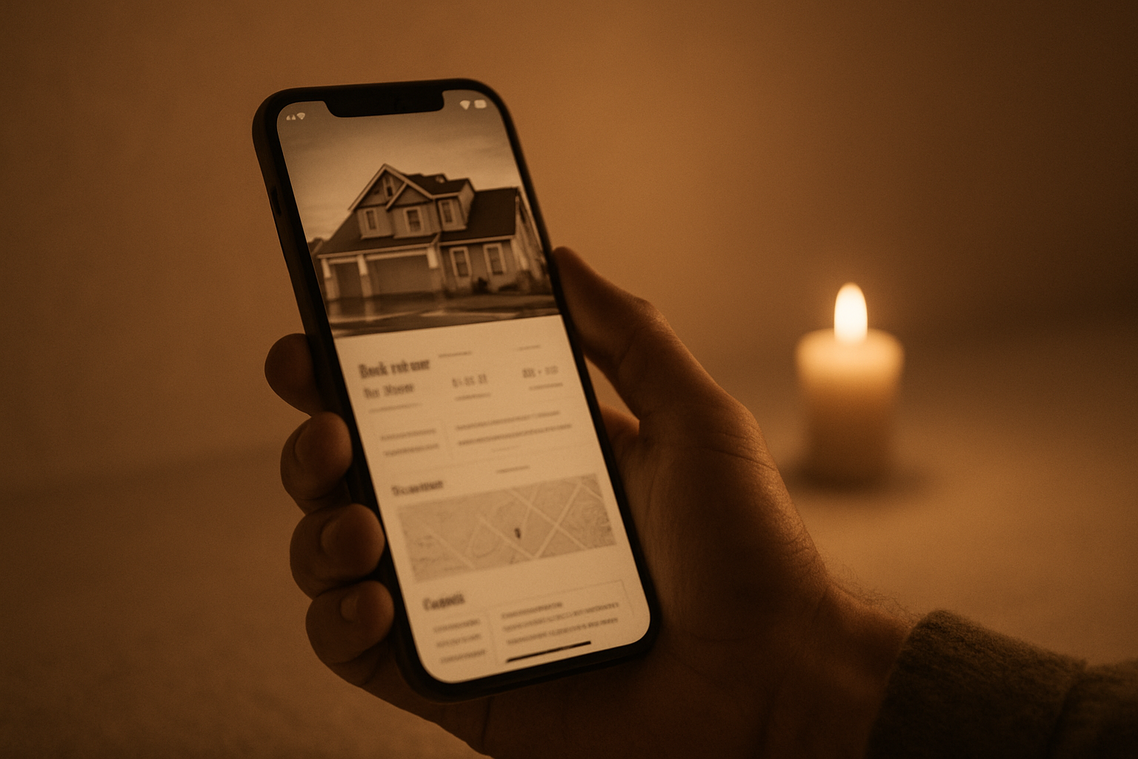
I’ve spent years watching people waste hours on real estate apps that promise everything and deliver nothing.
You’re hunting for a home and every search feels like starting over. Outdated listings. Missing details. Apps that crash when you need them most.
The property market moves fast but most apps don’t keep up.
I analyzed hundreds of real estate apps to figure out what actually works. Not the features companies brag about in their marketing. The ones that help you find a place to live.
This guide breaks down what you need in a real estate guide appcproperty. I’ll show you which features matter and which ones are just bloat.
We tested search filters, map tools, notification systems, and property guides. We looked at what helps buyers and renters make decisions faster.
You’ll learn what separates a useful app from one that wastes your time. Which features speed up your search and which ones slow you down.
No fluff about the future of proptech. Just what works right now when you need to find a home.
Why a Dedicated Real Estate App is Non-Negotiable
You’re scrolling through listings on your laptop at home.
Then you drive past a house with a For Sale sign and wonder if it’s in your price range. By the time you get home to check, you’ve forgotten the address.
This happens more than you’d think.
Here’s what I tell people. If you’re serious about finding a property, you need a dedicated real estate app. Not just bookmarking a website on your phone.
The speed matters more than you realize.
MLS data syncs in real time on good apps. A new listing hits the market at 9:47 AM and you see it at 9:48 AM. That’s the difference between being the first person to schedule a viewing or the tenth.
I’ve seen buyers lose out on properties because they checked listings once a day on their computer. Someone with push notifications got there first.
Your phone becomes your command center.
Turn on GPS and search for homes near you while you’re driving through neighborhoods you like. Draw custom boundaries on a map instead of typing in zip codes that don’t quite match where you want to be.
Take photos during a walkthrough and attach notes right there (that weird smell in the basement, the crack in the foundation). You won’t remember these details later.
Everything stays in one place.
Your saved listings. Messages with your agent. Scheduled viewings. Mortgage calculator results.
Without an app, you’re juggling browser tabs, text messages, emails, and handwritten notes. Good luck finding that one house you liked three weeks ago.
I use a real estate guide appcproperty approach where all my search activity lives in one spot. When my agent asks what I thought about a property, I pull it up in seconds.
Some people say they prefer doing research on a big screen. Fair point. But you’re not always at your desk when you need information.
The house hunt happens everywhere. Your tools should too.
Core Features: What to Demand from a Real Estate Listings App
Most real estate apps give you the same basic filters.
Price range. Number of bedrooms. Square footage.
That’s fine if you’re just browsing. But if you’re actually trying to buy a home? You need way more than that.
I’ve tested dozens of property apps over the years. What I’ve noticed is that most developers build features they think buyers want. Not what buyers actually need when they’re making the biggest purchase of their lives.
Some people argue that simple is better. They say too many filters just confuse users and slow down the search process. Keep it basic and let buyers figure out the details later.
Here’s why that thinking falls short.
When you’re serious about buying, every wasted showing costs you time and money. Driving across town to see a house only to find out it has $600 monthly HOA fees (when you specifically wanted to avoid that) isn’t just annoying. It’s inefficient.
The apps that actually work give you control over the details that matter to you.
Advanced Search & Granular Filters
You need filters that go deep. School district ratings if you have kids. HOA fees broken out separately. Keyword searches for things like “fenced yard” or “updated kitchen” that let you skip past generic descriptions.
Property status matters too. Knowing if something just went pending yesterday saves you from getting your hopes up.
Immersive Visuals
High resolution photo galleries are table stakes now. But what separates good apps from great ones? 3D virtual tours and video walkthroughs that let you pre screen properties from your couch.
I can’t tell you how many times a virtual tour has saved me a pointless drive. You spot the weird layout or the busy street in the background and move on.
Interactive Map Layers
Here’s where most apps completely miss the mark.
A basic map with pins showing property locations? That’s 2010 thinking. What you want are overlay options. Property lines so you can see lot boundaries. School zones. Crime data. Noise levels from nearby highways or airports.
Local amenities matter too. I want to see parks, grocery stores, and public transit stops without opening three different apps. The real estate guide appcproperty covers this in more depth, but the point is simple. Context matters as much as the house itself.
Instant & Customizable Alerts
In a fast moving market, timing is everything.
You need alerts that fire the second a new listing hits that matches your criteria. Not an hour later. Not the next morning. Immediately.
Price changes on saved homes? Same thing. If that house you liked just dropped $15K, you want to know before someone else jumps on it.
The best apps let you customize how you get notified and what triggers those notifications. Because not every update deserves a push notification at 7 AM on a Saturday.
Beyond Listings: The Power of Integrated Property Guides

Most real estate apps give you the same thing.
Photos. Price. Square footage. Maybe a map.
But when you’re actually trying to buy a home, that’s not enough. You need context. You need numbers that make sense. You need to understand what you’re really getting into.
I’ve seen too many buyers get blindsided because they focused on the listing price and ignored everything else.
Here’s what separates a basic listing platform from a real estate guide appcproperty that actually helps you make decisions.
Financial tools that show the real picture. A good mortgage calculator doesn’t just spit out a monthly payment. It breaks down taxes, insurance, HOA fees, and maintenance costs. You see the total cost of ownership before you fall in love with a place you can’t actually afford.
Some people say you should just talk to your lender about these numbers. Sure, that works. But by the time you’re on the phone with a lender, you’ve already wasted hours looking at homes outside your budget.
Neighborhood information that goes deeper than a score. Walk Score is fine. But what about school ratings? Crime trends? How the local market performed over the last five years? I want to know if I’m buying in a neighborhood that’s improving or declining.
The best apps give you demographic data and lifestyle details. You can see if an area matches how you actually want to live.
Education built right in. First-time buyers need checklists. Closing process guides. A glossary that explains what “escrow” and “contingency” actually mean (without making you feel stupid for asking).
When an app includes this kind of content, it tells me they’re thinking about more than just which fire detection system should i buy appcproperty. They’re thinking about the whole experience.
My recommendation? Don’t settle for apps that just show you listings. Find one that helps you understand what you’re buying and why it makes sense for your situation.
How to Choose the Right Real Estate App for Your Needs
You open your phone and see 47 real estate apps staring back at you.
Which one actually works?
I’ve tested dozens of these apps over the years. Some are great. Most are garbage that waste your time with stale listings and broken features.
Here’s how I figure out which ones are worth keeping.
Step 1: Verify Data Accuracy and Source
This is where most apps fail you.
Open a listing and look for when it was last updated. If you don’t see a timestamp, that’s a red flag. The best apps pull directly from local MLS feeds, which means you’re seeing what agents see (sometimes within minutes of a new listing hitting the market).
I once showed up to a property that had been sold three weeks earlier. The app hadn’t updated. That’s 45 minutes of my life I’ll never get back.
Step 2: Evaluate the User Interface and Experience
Can you find what you need in under 30 seconds?
If you’re tapping through five screens just to save a property or adjust your search filters, delete the app. A good interface feels invisible. You shouldn’t have to think about how to use it.
Try comparing three properties side by side. If the app makes this difficult, move on. Same goes for sharing listings with your partner or saving notes about specific homes.
Step 3: Assess Communication Tools
This separates the useful apps from the ones that just show you pretty pictures.
Can you schedule a showing without leaving the app? Can you message an agent directly from a listing? Some apps make you copy the agent’s number and switch to your phone app, which is just lazy design.
The real estate guide appcproperty recommends looking for one-tap communication features. When you’re touring multiple properties in a weekend, every extra step adds friction you don’t need.
Step 4: Read Recent User Reviews
Skip anything older than six months.
Apps change fast. A bug that ruined the experience last year might be fixed. Or a recent update might have broken something that used to work perfectly.
Look for patterns in complaints. If ten people mention excessive ads or listings that won’t load, believe them. And if you see mentions of how to deal with household water problems appcproperty or other property issues in reviews, that tells you the app’s community is active and sharing real experiences.
One more thing.
Don’t just pick the app with the most downloads. Pick the one that makes your specific search easier. If you’re hunting for condos in one neighborhood, you need different features than someone looking at single-family homes across an entire metro area.
Your Smartest Move in the Property Market
You came here to figure out what makes a mobile real estate app worth your time.
Now you know. The right app brings together listing features and property guides in one place. No more jumping between sites or trying to piece together information from different sources.
Here’s the reality: searching for a home shouldn’t feel like a second job. But that’s exactly what happens when you’re stuck with fragmented tools and outdated information.
A real estate guide appcproperty changes that equation. It puts everything you need in your pocket and lets you make decisions with confidence.
Stop wasting hours on websites that don’t talk to each other. Stop relying on paper flyers that were printed last week.
Download an app that has the features I’ve outlined here. One that centralizes your search and actually helps you move forward.
Your property search doesn’t have to be stressful. With the right tool, it becomes straightforward.
Take control today and turn this hunt into something manageable.
 Eryk Blaszczski