
I remember the call that changed how I think about fire safety.
A landlord in Chicago woke up to missed calls from neighbors. His rental property was on fire. The smoke alarm went off but he was two states away. By the time he knew, the damage was done.
Traditional smoke alarms just beep. If you’re not there to hear it, they’re useless.
That’s the problem with most fire safety setups. They’re built for someone who’s always home. But if you own rental properties or manage multiple units, you’re never in all places at once.
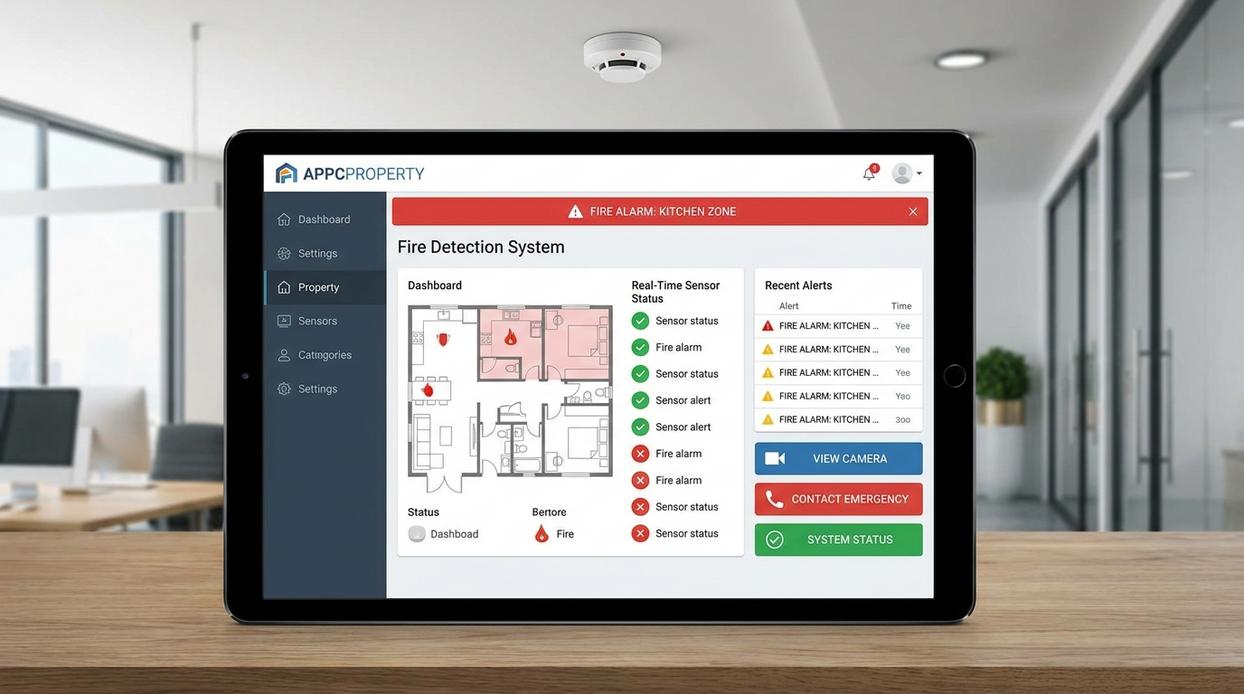
Fire detection system appcproperty changes that equation. These apps connect your smoke detectors to your phone. You get alerts the second something triggers. You can act fast even when you’re miles away.
I’ve spent years working with property technology and safety systems. I’ve tested dozens of these apps to figure out which features actually protect your property and which ones are just marketing.
This guide walks you through what matters when choosing a fire detection app. You’ll learn what features give you real oversight, how remote monitoring works, and what separates basic alerts from systems that could save your investment.
No technical jargon. Just what you need to know to keep your properties safe when you can’t be there.
What is a Smart Fire Detection System?
You’ve probably seen those old smoke detectors.
The ones that scream at 3 AM because you burned toast. Then you’re standing on a chair waving a towel at the ceiling like an idiot.
That’s not what we’re talking about here.
A smart fire detection system is different. It’s a network of connected devices that work together to spot fire hazards and tell you about them instantly (even when you’re not home).
Here’s how it actually works.
The Three Parts That Make It Smart
First, you’ve got the detectors themselves. These are sensors that pick up smoke, heat, or carbon monoxide. But unlike those standalone alarms, they talk to each other wirelessly.
Second is the hub. Think of it as the brain of your fire detection system appcproperty setup. It connects all your sensors to your internet router and makes sure everything communicates properly.
Third is your mobile app. This is where you see what’s happening in real time.
The big difference? Traditional alarms just make noise. They alert whoever’s in the building and that’s it.
Smart systems send notifications to your phone the second something’s wrong. You get a text. Your property manager gets a text. Sometimes even the fire department gets notified automatically.
You could be at work or on vacation, and you’ll know there’s a problem before the flames spread.
That’s the shift we’re seeing. From devices that react locally to systems that keep you connected no matter where you are.
Essential Features for Your Fire Detection App
You’re shopping for a fire detection app.
Maybe you manage rental properties. Maybe you just want better protection for your own home. Either way, you need to know what actually matters.
I’ve tested dozens of these apps over the years. Some are solid. Most are missing something critical.
Here’s what separates the good ones from the garbage.
Instant Multi-Channel Alerts
This isn’t optional.
Your app needs to hit you through push notifications, SMS, and email the second a detector goes off. And it should reach multiple people, not just you.
Why? Because you might be in a meeting with your phone on silent. Or your battery died. Or you’re on a plane.
I set mine to alert me, my property manager, and a neighbor I trust. That way someone always knows.
Remote Monitoring & Silencing
Picture this. You’re two states away and your tenant calls about a beeping detector.
With the right app, you can check battery levels and connectivity status from your phone. You can silence false alarms without making anyone climb on a chair at midnight.
I’ve used this feature more times than I can count. Saves trips and keeps tenants happy.
Multi-Property Dashboard
If you own more than one property, you need a single screen that shows everything.
Battery status for unit 2B. Last test date for the duplex on Ashland. Connectivity issues at the building downtown.
The fire detection system appcproperty recommends should give you this view without jumping between different interfaces.
Automated Emergency Dispatch
Some apps connect to professional monitoring services. When an alarm triggers, they verify it’s real and then contact the fire department directly.
You pay extra for this. But if you’re managing properties where tenants might not call 911 fast enough, it’s worth considering.
Maintenance & Compliance Tracking
This one saves you during inspections.
The app should remind you when batteries need replacing. When devices need testing. And it should log everything automatically.
I keep these records for insurance purposes too. Proves you were on top of safety if something ever goes wrong.
Look for these five features before you buy anything. Miss even one and you’ll regret it later.
Integration & Compatibility: Making the System Work for You
You don’t need to rip out your entire alarm setup to go smart.
I see this all the time in Chicago properties. Homeowners think they need to start from scratch. They don’t.
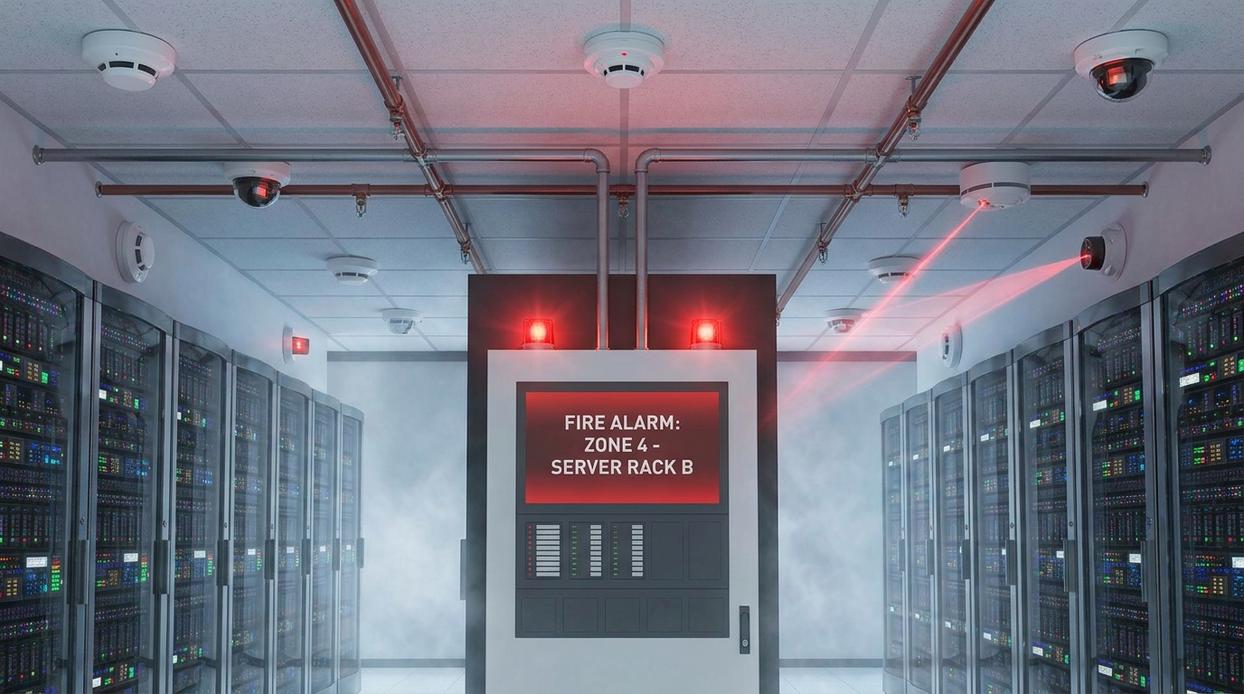
Smart listeners are your bridge here. These devices sit near your existing smoke or CO detectors and listen for that specific alarm frequency (usually around 3,100 Hz for most residential units). When they hear it, they ping your phone immediately.
No rewiring. No electrician bills.
Some people argue this approach isn’t as reliable as a fully integrated system. They say you’re adding an unnecessary middleman that could fail. Fair point.
But here’s what they’re missing.
Most homes in neighborhoods around Cherry Camp Road and across the South Side already have working alarms that meet code. Replacing them all just to get app notifications? That’s overkill for many properties.
The real power comes when you connect these systems to Google Home or Alexa. I can tell my system to turn on every light in the house if smoke gets detected. Or unlock the front door (which matters more than you’d think when firefighters need to get in fast).
You can even set routines. Smoke alarm goes off? Lights on, thermostat off, garage door opens. All automatic.
Now, should you install this yourself or hire someone?
DIY works fine for smaller properties. You save money upfront and can adjust placement as you learn what works. Most smart listeners just need a power outlet or batteries.
Professional installation makes sense for larger buildings or if you’re tying into existing security systems. They know optimal placement for listeners and can integrate with your HVAC controls properly. (This matters in multi-unit buildings where you might need to shut down air handlers to prevent smoke spread.)
The choice depends on your property size and how deep you want the integration to go. For a single-family home, I’d probably go DIY. For a multi-unit or if you’re already asking should I replace my aircon appcproperty questions about other systems, get a pro to look at everything together.
Either way, fire detection system appcproperty integration doesn’t have to be complicated. Start with what you have and build from there.
Beyond Fire: Expanding Your Property’s Safety Net
Most property owners think they’re covered with a smoke detector.
They’re not.
Fire is ONE threat. But your property faces dozens of hazards that can cost you just as much (or more) than fire damage.
Some people say you should buy separate devices for each risk. A smoke alarm here. A water sensor there. Maybe a CO detector if you remember.
Here’s the problem with that approach.
You end up with five different apps sending alerts to five different places. When something goes wrong at 2 AM, you’re fumbling through your phone trying to figure out which notification matters.
I’ve seen this play out too many times.
A property management app should work like your phone’s operating system. Not like a drawer full of random gadgets that don’t talk to each other.
Carbon monoxide doesn’t announce itself. You can’t see it or smell it. By the time you realize there’s a problem, it’s already serious. A fire detection system appcproperty approach means CO monitoring sits right next to your smoke alerts.
Same goes for water.
A slow leak near your water heater can run for WEEKS before you notice. By then? You’re looking at mold remediation and structural damage. Sensors in the right spots catch this early. We’re talking about saving thousands in repairs you’ll never have to make.
And if you own property in Chicago or anywhere cold, freezing temperatures are no joke.
Burst pipes don’t just cause water damage. They can shut down an entire property. Tenants without heat in January isn’t just inconvenient. It’s a legal nightmare.
The difference between managing these risks separately versus together is night and day.
One app. One dashboard. All your household water problems appcproperty alerts alongside fire and CO warnings.
When everything flows into one place, you actually respond. You don’t miss the notification because it came from an app you forgot you installed.
That’s what a real safety net looks like.
Take Control of Your Property’s Safety
You now understand how a modern property app for fire detection changes everything.
It moves you from waiting and hoping to knowing and acting. That’s the difference between a passive approach and an active one.
The anxiety of not knowing what’s happening at your property is real. It keeps you up at night and creates liability you can’t afford.
A smart fire detection system appcproperty solves this problem. You get instant awareness when something goes wrong. You maintain control even when you’re miles away.
This isn’t about adding complexity to your life. It’s about reducing risk and protecting what you’ve built.
Here’s what you need to do: Audit your current fire safety measures. Look at what you have and identify the gaps. Then explore systems that offer the remote monitoring features I’ve outlined in this guide.
The technology exists. The question is whether you’re going to use it.
Your property deserves better than outdated detection methods. You deserve the peace of mind that comes with real-time alerts and remote control.
Start your audit today and find a system that actually works for how you manage property.
 Eryk Blaszczski